
Cima4u: Arabic films and series, from Kit Kat, The Night of Counting the Years and Eshaet Hob to Voy! Voy! Voy!, Nefta Football Club and El Kebeer Awi, and where to watch them
109 films and 44 series in Arabic, 1950 to 2026, chosen for the whole household.
Recently released





Comedy


The golden age


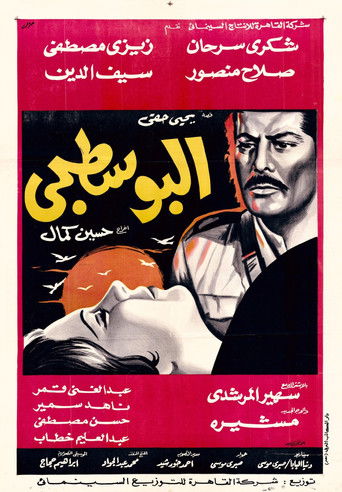
Series
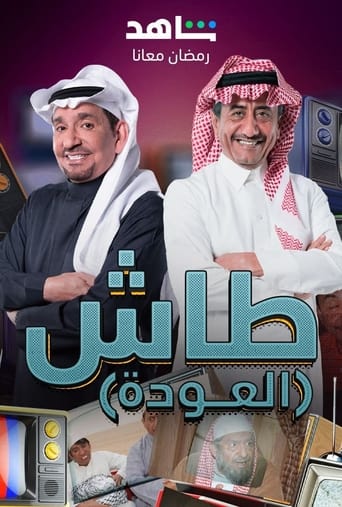



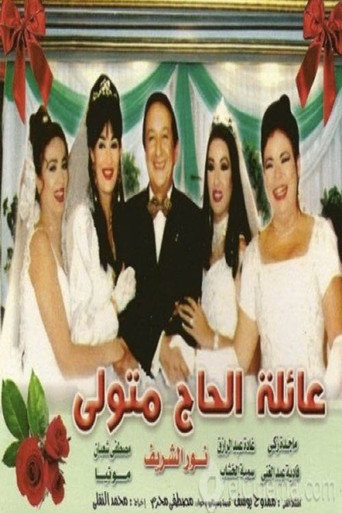
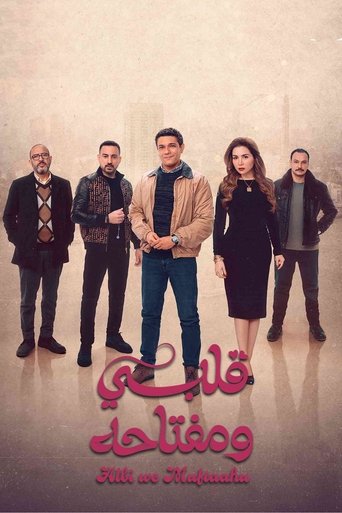

The Cima4u guide to Arabic cinema and television
Cima4u: Arabic films and series, from Kit Kat, The Night of Counting the Years and Eshaet Hob to Voy! Voy! Voy!, Nefta Football Club and El Kebeer Awi
For most of the twentieth century Cairo was the Hollywood of the Arab world. Its studios made films for audiences from Casablanca to Baghdad, its stars were known in every Arabic-speaking home, and its dialect, thanks to the cinema and the songs that went with it, became the one every Arab understands. That tradition is still alive, and beside it new cinemas have grown up in the Gulf, the Levant and North Africa. Cima4u is a guide to 153 Arabic-language productions, 109 films and 44 series, made between 1950 and 2026. Each has its own page, its story, its director and cast, and a Watch now button that leads to the official services carrying it in your country.
The catalogue has been chosen for the whole household. Every title was read through by hand, and the selection favours comedy, family stories, romance, music and humane drama. Crime films, stories of the battlefield, political and religious subjects and material made strictly for adults were left out. What remains is the cinema that Arab families have watched together for generations and the best of what has followed: a shy young man coached in courtship by his worldly uncle, a blind man in a Cairo alley who is determined to ride a motorcycle, two small brothers in the Tunisian desert who find a donkey wearing headphones.
The numbers give a first idea of the shape. Ninety-three of the titles are comedies, one hundred and nine are dramas, a good many of them both, and seventy-two are love stories. One hundred and seventeen come from Egypt, twenty-two from the Gulf and twenty-two from the Levant and North Africa. Thirty-three films belong to the golden age before 1980, thirty feature one of six great stars of the Egyptian screen, and twenty-four have music at their centre. Thirty-six titles have appeared since 2020, and forty-seven carry a score of 7.5 or higher from the viewers of TMDB.
A first-time visitor can begin with any of six. Kit Kat is among the most loved Egyptian films of all. The Night of Counting the Years is the masterpiece of Arab art cinema. Eshaet Hob is the classic romantic comedy of 1960, with Omar Sharif and Soad Hosny. Voy! Voy! Voy! is a sharp comedy of 2023 drawn from a true story. Nefta Football Club is a prize-winning short from Tunisia, and El Kebeer Awi is the television comedy that has run for more than two hundred episodes.
How the guide is laid out
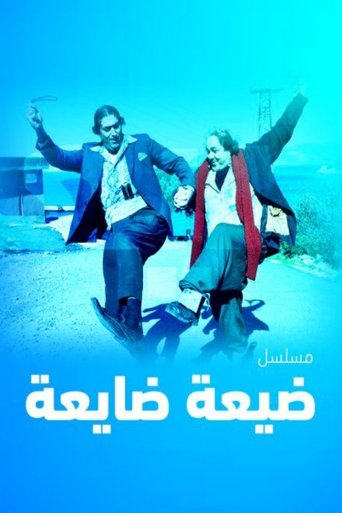
Cima4u is drawn on indigo, with a deep purple bar across the top and touches of yellow and magenta. The bar carries the wordmark in rounded letters of several colours, the menu, Home, Films, Series, Comedy, Golden age, Egypt, A-Z and My List, and a search field. The home page opens with a banner: the words Cinema for everyone in yellow, the name in very large rounded letters and a line saying what the guide offers. Beneath it sits a row of tabs, Films, Series, Comedy, Golden age and Top rated, and then the rows of posters, five across, each with its title over the lower edge and two small labels saying whether it is a film or a series and the year: Recently released, Comedy, The golden age and Series.
The lists are the main way through the catalogue. Films and Series divide it by form. Comedy, Drama, Romance and Family sort it by kind. Egypt, The Gulf and Levant and North Africa sort it by origin. Golden age, Screen legends and Music are for the classics, five lists arrange everything by year, and Top rated has the forty-seven with the strongest scores.
Every page for a film or series on Cima4u follows one plan. The poster stands beside the English title, and the Arabic title is printed below it in its own script. Labels give the year and the TMDB score, with the running time for a film and the seasons and episodes for a series. A paragraph describes the story, and the director and principal actors are named. Then comes a small menu for your country, which is asked once and kept, and the Watch now button, which opens JustWatch for that title and shows the services that offer it there.
The golden age
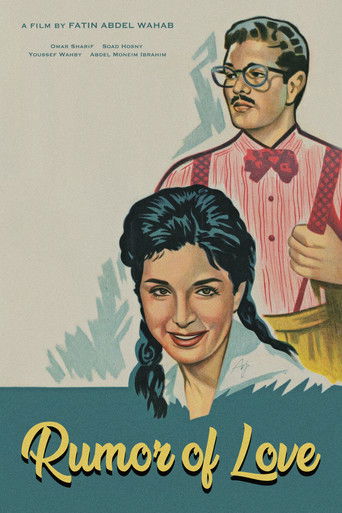
Thirty-three films come from the three decades after 1950, when the Egyptian studios were at their height. The comedies of those years are among the happiest ever made anywhere, and the director Fatin Abdel Wahab was their master. Eshaet Hob, whose title means a rumour of love, is his best known. Hussein, earnest and tongue-tied, adores his cousin Samiha, who has eyes only for a fashionable young man about town. His uncle, played by the great comic actor Youssef Wahbi, decides to make the boy interesting by inventing a romance between him and a famous film star. Omar Sharif, three years before he became an international name, plays the shy hero, and Soad Hosny, then seventeen, is Samiha.
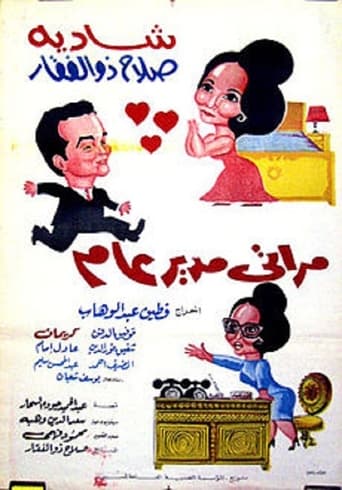
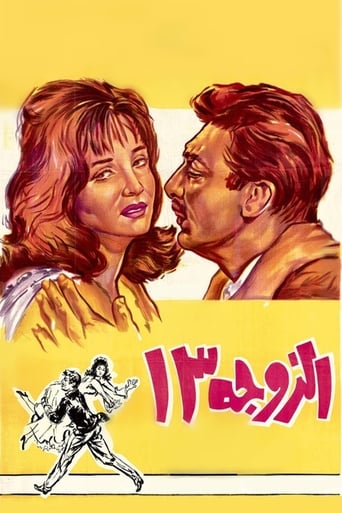
The same director made My Wife the General Manager, in which a husband discovers that the new head of his company is his own wife and begs her to keep the marriage a secret at the office. Shadia and Salah Zulfikar play the couple, and the comedy has lost little of its point. Wife Number 13 gives Rushdy Abaza a charming husband with a long history and Shadia the bride who sets out to reform him. Aaela Zeze follows a lively middle-class household through the eyes of its youngest daughter, The Magical Lantern hands the meek comedian Ismail Yassin a genie, and Land of Hypocrisy gives a put-upon clerk a shop that sells virtues by the bottle.
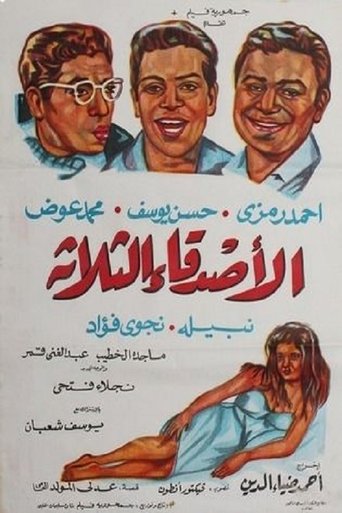
Mother of the Bride, directed by Atef Salem, is a comedy of wedding preparations in a family with seven children and one salary, and was Egypt's submission for the Academy Awards. Soft Hands is about a prince of the former royal house who has to learn, after the change of regime, to earn a living. For Men Only sends two women engineers into the desert oil fields disguised as men, and Too Young for Love is one of the brightest of Soad Hosny's musical comedies. The Three Friends and Our Best Days, in which three young neighbours on a Cairo rooftop all fall for the same girl, belong to the same sunny tradition.
Faten Hamama, known as the lady of the Arab screen, appears in seven films. She began as a child and was a star at twenty; the catalogue has her in Baba Amin and Son of the Nile, two early films by Youssef Chahine, in the romance Our Best Days, and in Sleepless, where she plays against type as a possessive daughter. The Open Door, from 1963, is among her finest: the story of a middle-class girl growing into independence in the Cairo of the 1940s and 1950s, from a novel by Latifa al-Zayyat. In Empire M she is a widowed mother of six whose children decide to hold an election for head of the household, and in Mouths and Rabbits an aunt who works to feed nine nephews and nieces.
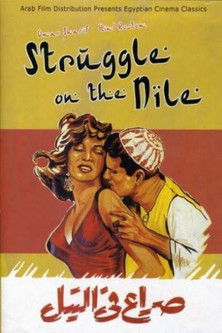
The dramas of the period are as distinguished. The Night of Counting the Years, also known as The Mummy, was made in 1969 by Shadi Abdel Salam. It is set in 1881 among a mountain clan near Thebes who have lived for generations on the contents of a hidden royal tomb, and tells of a young man who learns the secret and must decide what he owes to his family and to the past. Its slow, formal beauty is unlike anything else in Arab cinema, and it has been restored and shown around the world. The same director's The Eloquent Peasant is a short film from a text four thousand years old. The Postman follows a Cairo man posted to a village that distrusts him, I Am Free is a study of a young woman's search for independence, and Conflict in the Nile sends two friends down the river on a sailing barge.
Song and screen
Music was the making of Arab cinema; the first great stars were singers, and audiences went to hear as much as to see. Days and Nights and Idol of the Masses both star Abdel Halim Hafez, the best loved male singer of his generation, known as the brown nightingale. In the second, his last film, he plays a young performer who falls in love with an established star, played by Shadia, and every song in it became a standard.
Lebanon's Fairuz, the most admired voice in the Arab world, made only three films, and two are here. The Ring Seller, directed by Youssef Chahine from a stage musical by the Rahbani brothers, is set in a mountain village whose mayor invents an outlaw to keep his neighbours entertained, and is then alarmed when a stranger of that name arrives. Safar Barlek is set in the same mountains in 1914, where the villagers help one another through a time of shortage. El Sett, a film of 2025, tells the life of Umm Kulthum, whose monthly concerts once emptied the streets of every Arab capital.
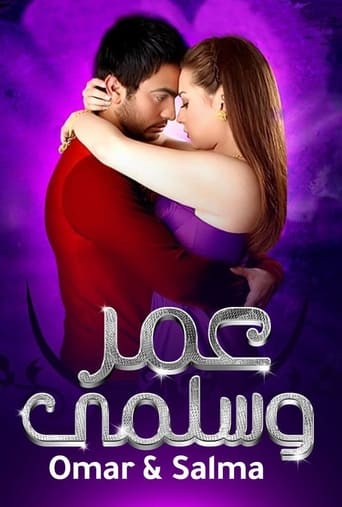
Later generations have their musical films too. Ice Cream in Glim stars the pop singer Amr Diab as a video-shop assistant in Alexandria who dreams of a recording career. Microphone follows a man who returns to that city and discovers its underground scene of bands, rappers and graffiti artists, most of them playing themselves. Omar & Salma and Light of My Eyes are romances built around the singer Tamer Hosny, and The Stories is a new family saga about a pianist and the Austrian woman he meets through her letters.
Adel Emam and the comedy of the people
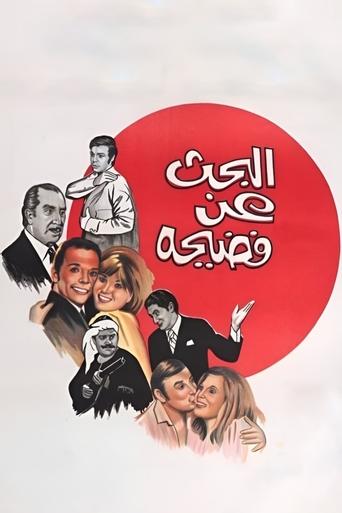
If one face stands for Egyptian comedy over the last fifty years, it is Adel Emam's. He began as a supporting player in the 1960s, became the biggest star in the Arab world in the 1970s and stayed there, playing the ordinary Egyptian with a quick tongue who gets the better of the powerful. Nine of his films are here. In Searching for a Scandal, an early success, he is a newcomer to Cairo who takes his sophisticated friend's advice on how to win a girl, with disastrous results. Some Visit the Marriage Registrar Twice is a comedy of three married couples, and Take Care of Your Neighbors is about newlyweds in a block of flats whose neighbours are a good deal odder than they first appear.
Karakon On The Street is one of his best. When the family's flat is declared unsafe, an engineer moves his wife, children and mother into a home he has built himself on the back of a lorry, and tries to find somewhere in Cairo to park it. Housing was the great worry of the 1980s, and the film made the country laugh at it. Playing with Giants, written by Wahid Hamed and directed by Sherif Arafa, begins a famous partnership: a young man who reports what he believes is a plot finds that his honest dreams have a way of coming true. The Forgotten is about a railway signalman on a lonely night shift who becomes the unlikely protector of a stranger, and Mahrous the Minister's Attaché sends a simple villager to the capital in the entourage of a politician from his home town.
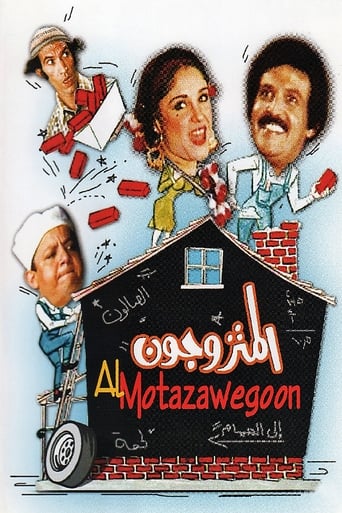
Fouad Al-Mohandes was the leading stage and screen comedian of the generation before, a professor of the comic pause. He stars in Aaela Zeze and Land of Hypocrisy and directed himself in Lock Up Your Daughters, as a father of three girls of marriageable age. Samir Ghanem leads The Married Couples, a film of a much-loved stage comedy about a rich girl who marries a poor man for love and finds out what the monthly budget means.
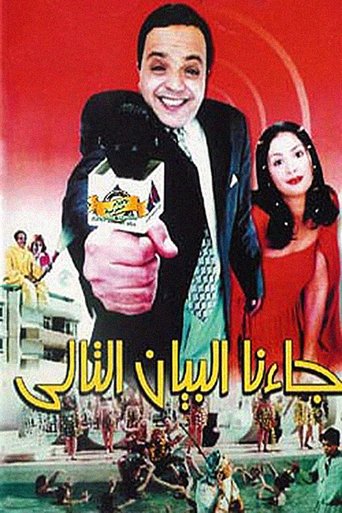
The comedians who came up in the 1990s brought a broader style. Abboud on the Border sends a carefree young man to do his military service at a remote post. The Following Statement Came To Us pairs Mohamed Henedi and Hanan Turk as rival reporters who stumble on a story bigger than either. I Want My Right is a satire in which a taxi driver reads the constitution and concludes that he owns a share of the country, and Please, here, driver! sees Cairo through the windscreen of a cab. EUC is about a group of school-leavers with poor marks who found a university of their own.
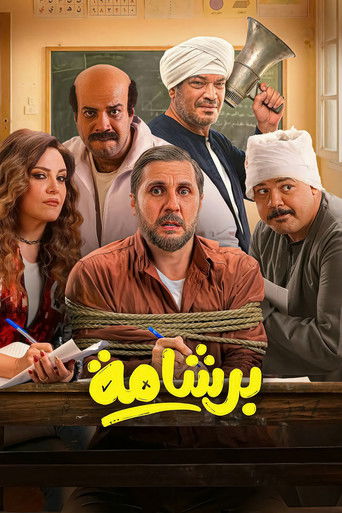
Today's comedies keep the tradition and sharpen it. Voy! Voy! Voy! follows a security guard who joins a football team for blind players, though he can see perfectly well, in the hope of travelling to a tournament in Europe; it was Egypt's entry for the Academy Awards. Induced Labor is set in a waiting room where a couple hope their twins will be born on the right side of a doorway. El Ruby House sends a family back to the city after years by the sea, A Break of Happy Moments opens a magic door in a crumbling family house, Bershama is a school comedy, and 200 Pounds follows a single banknote from hand to hand across Cairo.
Kit Kat and the new realism
In the 1980s a group of directors took their cameras into the streets of Cairo and made films about ordinary people with a new honesty. The Bus Driver, by Atef El-Tayeb, is the film that announced the movement: a man tries to raise the money to save his father's workshop and goes from relative to relative. Nour El-Sherif's performance is among the most admired in Egyptian cinema. The same director made Love Above Pyramid's Plateau, about a young clerk and his fiancée, for whom a flat is far out of reach, with Ahmed Zaki.
Mohamed Khan was the poet of the group. Missing Person is a gentle comedy about a clerk who runs away from his mother-in-law to the countryside. Downtown Girls follows two shop assistants and the young men they meet on the metro, In the Heliopolis Flat brings a music teacher from the provinces to Cairo in search of an old teacher, and Before the Summer Crowds spends the quiet weeks at a seaside resort before the season. All four are warm, observant and full of the life of the city.
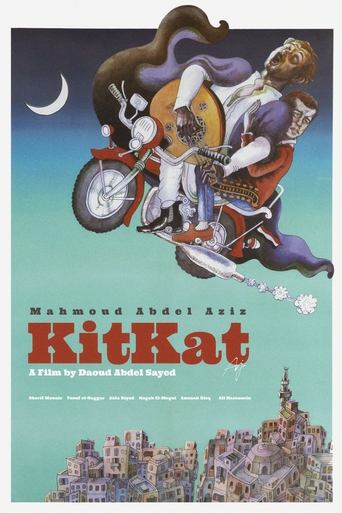
Kit Kat, made in 1991 by Daoud Abdel Sayed, is the masterpiece of this cinema. Sheikh Hosny lost his sight years ago and refuses to behave like a blind man: he goes to the cinema, leads another blind man through the alleys as if he could see, and at last rides a motorcycle through the quarter. Around him the film gathers a whole neighbourhood, his son who dreams of leaving, the café, the old house that everyone wants to buy. Mahmoud Abdel Aziz gives the performance of his life, and the film is funny and wise in equal measure. The same director's Messages from the Sea is set in a wintry Alexandria.
Ahmed Zaki, the finest actor of his generation, appears in four films: as the country doorman who becomes a dealer in property in The Bey Doorman, as a studio photographer of the old school in Smile, The Photo Comes Out Better, and in Salah Abu Seif's fable The Beginning, where the survivors of a forced landing in the desert set up a small society. Youssef Chahine, the most celebrated Egyptian director abroad, is represented by two early films and by An Egyptian Story, the second part of his screen autobiography.
Love and marriage
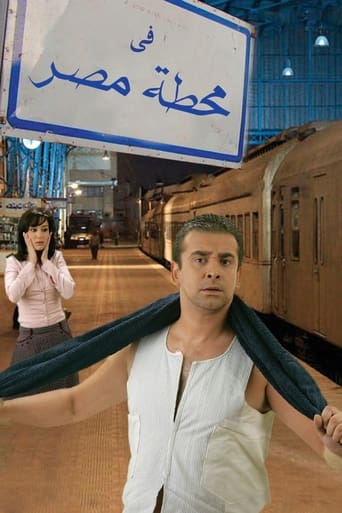
Seventy-two titles are love stories, and Arab cinema has always been at ease with them. The modern romantic comedy is represented by At Cairo's Railway Station, in which a young salesman is asked by a stranger on the platform to pretend to be her husband for an afternoon; by Love Story, about a young man whose brother is trying to see him settled; and by You Are My Life, a tender film about an architect and his wife. Face to Face takes a married couple's quarrel and lets both families join in, over one long and very funny night.
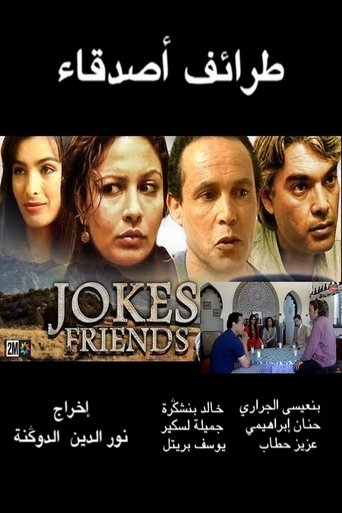
Weddings are occasions for comedy and for something more. The Wedding, written by Ahmed Abdallah and set in a single alley on a single evening, shows a celebration staged to collect the customary gifts of money, and the whole neighbourhood that turns out for it. Smart but Stupid has two friends disguise themselves to rent a room from a landlady who takes only women lodgers, and Friends Jokes follows a plumber whose kindness leads him into one scrape after another. The International is a sporting romance about a footballer on the way up.
Television has its romances too. Halawet El-Donia, whose title means the sweetness of life, follows a young woman who meets illness with courage and finds unexpected companions. Once Upon A Time tells a different woman's story in each short run of episodes, and Three Stories does the same with three leading characters. Together is a new series about a couple in a modest quarter, Narges's Story about a woman in her thirties starting again, and Elliel w Akhro about a self-made man from Upper Egypt. From Lebanon and the Gulf come the long serials The Price, Crystal and Love on Paper, in which a florist with academic ambitions signs a contract with a businessman.
Cairo, the alley and the village
A viewer new to Egyptian films will soon recognise their settings. The first is the hara, the alley: a short street in an old quarter where everyone has known everyone since birth, with a café at one end and washing overhead. Kit Kat, The Wedding and the television saga El Helmeya Nights are all portraits of such places, and the comedy of Quarter Kilo of Romy Cheese, about two brothers from a modest family, belongs to the same world. The second is the rooftop, where the poor of the city keep pigeons and hold their celebrations, and where Our Best Days is set.
The third is the block of flats with its doorman, the bawab, who sees all and says a good deal; The Bey Doorman gives him the leading part, and the short series At the Building's Door brings a proud man from the south to live among neighbours of every kind. The fourth is the village of the Delta or of Upper Egypt, with its headman, its feuds and its stubborn pride, the home of El Kebeer Awi and Citizen Masrey. And the fifth is Alexandria, the city by the sea to which characters go to remember, in Messages from the Sea, Microphone and Ice Cream in Glim.
Period settings are popular on television. Cairo Class is a Kuwaiti and Egyptian production about students from the Gulf at university in the Cairo of the 1950s, with the dresses, cars and songs of the time. Make your wife happy and In La La Land, in which a group of travellers is stranded on a tropical island, are light comedies of the present, and Baba Almgal is a drama about a mechanic trying to live honestly. Highest Views follows a young woman whose videos bring her sudden attention.
What to expect
A few conventions are worth knowing. Classic Egyptian films stop for songs, sometimes four or five, and audiences went as much for those as for the plot; the best approach is to enjoy them as numbers in a musical. Comedies are generous with supporting players, and a face seen for two minutes as a waiter or a mother-in-law may belong to one of the most beloved character actors in the country. Many films end with the word for The End written across the screen in elegant calligraphy, and with the whole cast reconciled.
The films are also, almost always, about family. A young man's wish to marry is everyone's business; a mother's opinion decides more than a judge's; brothers quarrel over a flat and are brought together by an aunt. Meals are constant, hospitality is a point of honour, and tea is offered in every scene. Viewers from very different places have found their own relatives in these stories, which is one reason Egyptian cinema travelled so widely across the Arab world and beyond, and why the best of it still feels fresh after sixty years.
For a household of mixed ages the catalogue sorts itself easily. Grandparents will know the films of the golden age by heart and may enjoy introducing them; parents grew up with the comedies of Adel Emam and the Ramadan sagas; teenagers will take to the recent comedies and the films about music and football; and younger children are safest with the classic comedies, where the slapstick needs little explanation, and with Bara El Manhag and Nefta Football Club. The year lists help: Before 1970 is almost all classic comedy and romance, 1970 to 1989 holds the people's comedies and the first realist films, 2010 to 2019 the independent cinema and the first Gulf films, and 2020 onwards shows a region making more films, in more countries, than at any time before. A family that watches one title from each of the five year lists will have a fair picture of seventy-five years of Arab storytelling on screen.
New Egyptian cinema
Since 2010 a younger group of film-makers has given Egyptian cinema a quieter, more personal voice. Ahmad Abdalla is at its centre. Heliopolis, his first film, follows a handful of people through one day in a faded Cairo suburb, where plans are made and gently come to little. Microphone is his portrait of Alexandria's young musicians. Decor, filmed in black and white, is about a set designer who begins to slip between her own life and the one she is building for a film, and Exterior/Night sends a director, an actress and a taxi driver across the city for one long evening.
Villa 69 is a chamber piece about an architect who has shut himself up in his family house and the sister and great-nephew who move in uninvited. Photocopy is a late-life romance: the owner of a small copy shop, who has spent his days reproducing other people's documents, becomes curious about the extinction of the dinosaurs and then about his neighbour. Mahmoud Hemida and Sherine Reda play the pair with great delicacy. Ali, the Goat and Ibrahim is a road film about two young men from a Cairo alley, one devoted to a goat and the other troubled by sounds only he can hear, who travel the length of Egypt to set things right.
Women directors have made some of the best of these films. Hala Khalil's Best Times reunites three school friends who have gone separate ways, and her Nawara follows a young housemaid through the spring of 2011, when her employers leave the country and she is left in charge of the villa. Bibo and Beshir, by Mariam Abou Ouf, is a romantic comedy about a drummer and a basketball coach who find they have rented the same flat for different halves of the day. Girl's Love brings together three half-sisters who must share an inheritance and a flat for a year, and A Man Wanted is a comedy about a successful woman who would like a child and has firm ideas about the kind of father required.
Bara El Manhag, by Amr Salama, is a fine film for families: a thirteen-year-old orphan in the countryside of the 1980s, afraid of a house the village calls haunted, discovers that an old man is living there and makes a friend. Brooks, Meadows and Lovely Faces, by Yousry Nasrallah, is set among a family of cooks who cater village weddings in the Delta, and Black February is a satire about a family of scholars who decide that learning is poorly rewarded and look for a more secure position in life. The Treasure : Love & Destiny continues a lavish historical fantasy that moves between three eras of Egyptian history.
Beyond Egypt
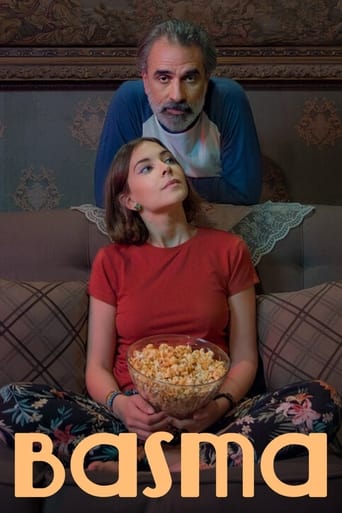
Forty-four titles come from the rest of the Arab world. Saudi Arabia, where cinemas reopened in 2018, has produced a remarkable burst of films. Barakah Meets Barakah, made a little before that, is a romantic comedy about a municipal inspector and a young woman with a large online following, who find that the hardest part of courtship in their city is finding a place to meet; it is witty and affectionate. Sattar is a comedy about a mild office worker who takes up freestyle wrestling, and The Fakenapping about a hard-pressed father caught up in a scheme that slips out of his hands. Basma follows a young woman who returns from her studies abroad to a family that has changed in her absence, and Born a King tells how the fourteen-year-old Prince Faisal was sent to London in 1919 on a diplomatic mission.
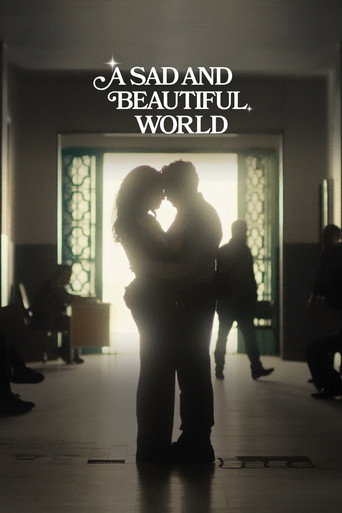
The Emirates and Kuwait contribute romantic comedies, Groom & Two Brides and Love in Slow Motion, and the road film From A to B, in which three childhood friends drive from Abu Dhabi to Beirut. Jordan and Palestine are represented by Rana's Wedding, in which a young woman of seventeen has until four o'clock in the afternoon to marry the man she has chosen, and crosses a city of checkpoints and errands to do it. From Lebanon come Where To?, a pioneering film of 1957 about a mountain family whose father leaves for Brazil, and the new romance A Sad and Beautiful World, which follows a couple across thirty years.
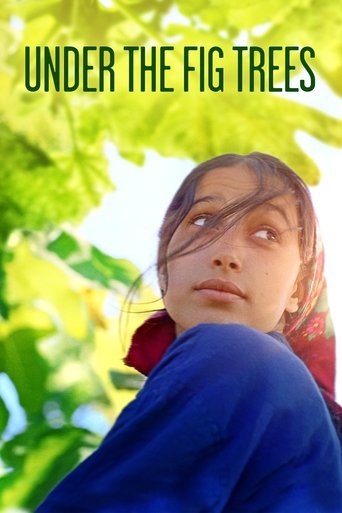
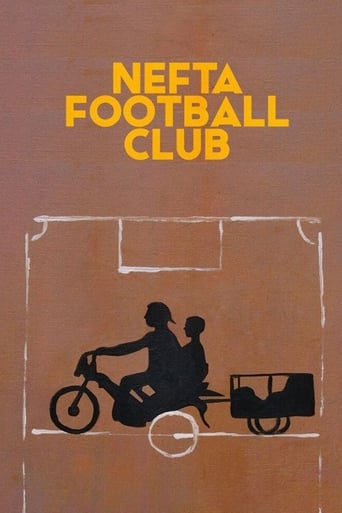
North Africa has a strong tradition of its own. Omar Gatlato, made in Algiers in 1976, was a landmark: a young clerk talks to the camera about his friends, his tape recorder and the voice of a woman he has heard only on a cassette. Inch'Allah dimanche follows an Algerian woman who joins her husband in a French provincial town in the 1970s and slowly makes a place for herself. Nefta Football Club, a short film of seventeen minutes, is pure delight: two football-mad brothers find a donkey in the desert near the border, wearing headphones and carrying a load whose value they misunderstand completely. Under the Fig Trees spends one summer day with young fruit pickers in a Tunisian orchard, Where the Wind Comes From sends two friends on the road to an art contest, and Six Feet Over and La Main de Fadma are stories of families between two countries.
Syria's great comedian Duraid Lahham wrote and starred in The Borders, a satire in which a traveller loses his passport between two frontier posts and builds himself a rest house in the strip of land that belongs to neither.
Television
Forty-four series complete the catalogue. Arab television has its own calendar: the great majority of dramas and comedies are made for the month of Ramadan, when families gather after sunset and a new episode is shown every evening for thirty nights. That is why so many series here have exactly thirty episodes, or fifteen, the newer half-season length.
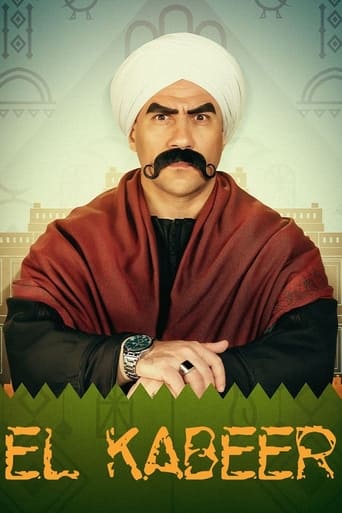
El Kebeer Awi is the most popular Egyptian comedy of recent times. Ahmed Mekky plays the headman of an Upper Egyptian village, proud, stubborn and devoted to tradition, and also his twin brother, raised in America, who arrives to claim half the inheritance. The series has returned year after year since 2010 and has passed two hundred episodes. Theater Misr put a company of young comedians on stage each week in a new comic play, and launched many of the faces now seen in Egyptian films. A man and 6 Women ran for more than three hundred episodes as the story of one mild man in a household of women, and Tamer & Shawkeya paired a polished lawyer with a wife from a working-class quarter.
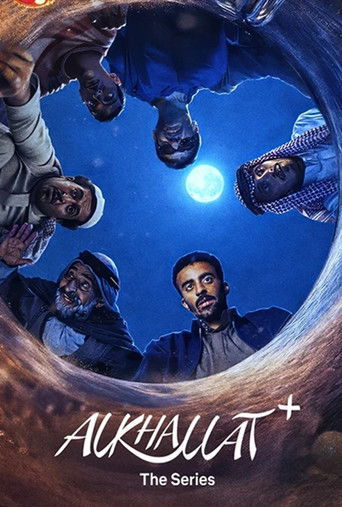
The Gulf has its classics. Tash ma Tash was Saudi Arabia's favourite programme for nineteen seasons: a sketch comedy that poked fun at everyday life and officialdom, and made its two leads household names across the peninsula. My Aunt Qumasha, from Kuwait in 1983, is a much-loved comedy about a mother who keeps a close watch on her grown children. Takki is a web series about young friends in Jeddah that helped start the new Saudi screen culture, The Office (SA) is the Saudi version of the well-known workplace comedy, set in a postal company in Riyadh, and Sondos and Alkhallat+: The Series are recent comedies.
From Syria come two long-running favourites. Maraya, which means mirrors, was created by Yasser Al Azmeh and ran for more than eight hundred sketches across four decades, each a small comedy of social life. Lost village is set in a mountain hamlet whose inhabitants manage, between them, to misunderstand almost everything, and Al Kherba is a village comedy in the same line. Sultan Ashour 10 is an Algerian comedy set in an imaginary kingdom, and Sweet Sour an Iraqi series of everyday characters.
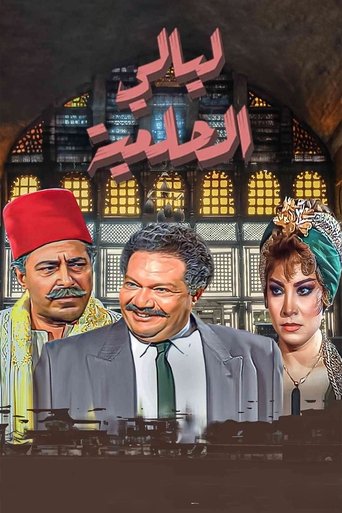
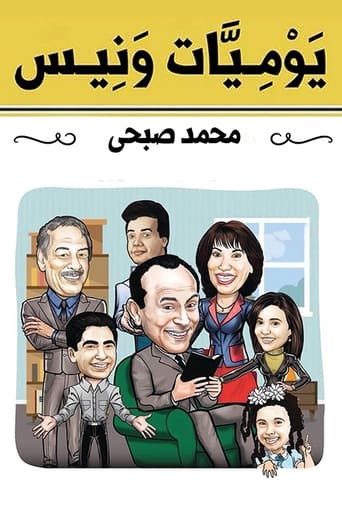
The great Egyptian sagas are here as well. El Helmeya Nights, written by Osama Anwar Okasha, follows the families of one Cairo quarter from the last years of the monarchy through half a century; when it was first shown, the streets were said to empty at the hour of broadcast. Arabesque: The Days of Hassan Al-Noaamany, by the same writer, is about a master woodworker and the old city craft he practises. Wanees's Diaries is a gentle family series, three hundred episodes about a father and mother bringing up four children by example, and The Family of Hajj Metwalli and Morning and Evening Talk, from a work by Naguib Mahfouz, are family chronicles of a more traditional kind.
Recent series are shorter and lighter. My Heart and Its Key begins when a shy driver meets a passenger with a proposal. 80 Bako follows a hairdresser saving for her wedding, Setta Shohour two rivals competing for one job, You Let Go First a singer and a designer whose public proposal goes wrong, and El Harsha El Sab'a a couple in the seventh year of marriage. Robot In Our House, The German Company for Paranormal Control: Gamgoum and Bembem and The Ghosts of Adly Allam, with Adel Emam as a librarian who meets a visitor from another world, are comedies with a touch of fantasy.
Faces to follow
Six stars have a list to themselves. Faten Hamama and Omar Sharif, who married after making a film together, share Our Best Days; Sharif, who went on to Lawrence of Arabia and Doctor Zhivago, returns in 1991 as a village headman in Salah Abu Seif's Citizen Masrey. Soad Hosny, the Cinderella of the Egyptian screen, can be seen in five films, from the ingénue of Eshaet Hob to the comedy Stranger In My House, where she lets a flat to a football player who has just been transferred to a great Cairo club. Nour El-Sherif leads five, Ahmed Zaki four and Adel Emam nine.
Among actors of the present, Menna Shalabi appears eight times, more than anyone but Emam, and her range runs from romantic comedy to Nawara. Khaled Abol Naga is the face of the independent films, Maged El Kedwany the most reliable comic actor of the last decade, and Hend Sabry, who came to Cairo from Tunisia, appears in five. Nelly Karim, Yousra, Layla Olwy and Mahmoud Hemida each have several, and Hesham Maged and Hana Al Zahed lead the newest comedies.
Directors are worth following too. Sherif Arafa has five films here across thirty years, from the Adel Emam comedies to the historical fantasy. Salah Abu Seif, the father of Egyptian realism, has four, Fatin Abdel Wahab six comedies, Henry Barakat four, Mohamed Khan four and Youssef Chahine four. Between them they made a large part of the Arab world's shared memory of the cinema.
Writers deserve a word as well. Wahid Hamed wrote many of the sharpest comedies of the 1980s and 1990s, Osama Anwar Okasha the television sagas that a whole region followed, and Naguib Mahfouz, the Nobel laureate, supplied novels and scripts to the cinema for thirty years. Their names on the credits are as good a guide to quality as any star's.
Watching in Arabic
Everything on Cima4u was made in Arabic, and services abroad usually offer English subtitles. The Arabic of the screen is the Arabic of daily life, which differs from country to country far more than the written language does. Egyptian is the best known: generations of films and songs have carried it everywhere, and its quick, humorous turns of phrase are a large part of the comedies' charm. The Gulf series use the dialects of the peninsula, the Syrian and Lebanese ones the softer speech of the Levant, and the Tunisian and Algerian films a dialect that mixes Arabic with French and Amazigh words. Subtitles carry the sense of all of them.
Newcomers may find the older comedies the easiest place to start, since they rely on situation, faces and song as much as on words, and the classic black-and-white photography is a pleasure in itself. The realist films of the 1980s ask for a little more attention and repay it. Each page gives the Arabic title beside the English one, and the search field accepts either, so that a film can be found under the name it carries on any service.
Many films are listed under a translation of their Arabic title, and a few under the Arabic itself in Latin letters, when that is how they are known abroad: Eshaet Hob, Aaela Zeze, Bershama and the series Tash ma Tash among them. Their stories are described in English on their pages like all the others.
Length and pace
The films are of ordinary length; most of the classic comedies run between ninety minutes and two hours, since Egyptian audiences of the time expected songs and a full evening. A few entries are short films, among them Nefta Football Club at seventeen minutes and The Eloquent Peasant at about twenty. The series are another matter. A Ramadan drama has thirty episodes of about forty-five minutes, and the long-running comedies add a season each year; Maraya, Tash ma Tash, A man and 6 Women and Wanees's Diaries each run to hundreds of episodes, which can be dipped into in any order.
The pace of the classics is leisurely by modern standards, with time for a song, a visit and a cup of coffee; the new comedies are as brisk as any. Each page shows the running time or the number of episodes, so an evening can be planned.
How the titles were chosen
The selection began with a survey of Arabic-language films and series that have a good score from viewers, a little over four hundred in all, and was narrowed in three steps. First came the kinds of story that suit a family evening: comedy, romance, family drama and music. Then every remaining title was read through. Crime stories, films about conflict and occupation, political and religious subjects, and anything made for adult audiences were set aside, however distinguished. Finally the posters and descriptions were checked, and one description was written afresh.
The result leans, by design, toward comedy and toward Egypt, which has produced by far the largest share of Arab cinema. Some of the older films carry the attitudes of their time, and a household may wish to talk about them; all were chosen because their humour is warm and their people are treated with affection. Cima4u keeps its titles to itself among the guides of its family, and each was chosen for this catalogue alone, which is why a few famous Arab films are absent: they already have a home elsewhere.
Using Cima4u
The search field in the purple bar is the quickest way to a known title. It answers as you type and accepts English and Arabic names alike. The A-Z page sets all 153 titles out in alphabetical order, and Films and Series in the menu show each group by popularity.
My List is where Cima4u keeps what you have picked out. Press Add to My List on the page of a film or series, and it joins the list that opens from the menu. The list is the browser's own record on your device; it is there on your next visit, loses a title only when you remove it, and can be saved to a file and loaded on another device from the list page.
The help pages cover each part of the catalogue in a few lines: How to watch, Golden age, Comedy, Series, New cinema, Screen legends, Romance, Family, Drama, Music, Across the Arab world, Watching in Arabic and Year by year, with Finding titles and My List for the tools.
A first month
A newcomer who would like a plan can take four weekends. On the first, the golden age: Eshaet Hob and My Wife the General Manager. On the second, the people's comedy: Karakon On The Street and Kit Kat. On the third, the new films: Voy! Voy! Voy!, Barakah Meets Barakah and the seventeen minutes of Nefta Football Club. On the fourth, with time set aside, The Night of Counting the Years, and then a few episodes of El Kebeer Awi to end the month laughing.
Questions and answers
Questions
What is Cima4u?
Cima4u is a guide to 153 Arabic-language films and series chosen for the whole household, each with its story, cast and a Watch now button to the official services that carry it.
Which title should I watch first?
Start with Eshaet Hob, Kit Kat or Voy! Voy! Voy!. One is a classic comedy, one a much-loved drama and one a recent hit.
Is the catalogue suitable for families?
Yes. Every title was read through by hand, and crime stories, films about conflict, political and religious subjects and adult material were left out.
Where do the titles come from?
One hundred and seventeen come from Egypt, twenty-two from the Gulf and twenty-two from the Levant and North Africa.
Are there older films?
Yes. Thirty-three films date from 1950 to 1979 and form the Golden age list.
Can I watch with subtitles?
Yes. Services abroad usually offer the Arabic sound with English subtitles.
How does My List work?
Press Add to My List on any page. The list is kept by your browser on your own device and can be saved to a file.
Does Cima4u host films or downloads?
Cima4u is a guide only. Every Watch now button opens JustWatch, which lists the official streaming, rental and purchase services for your country.